
Eco Certifications Explained: What the Labels Really Mean
GOTS, Fair Trade, B Corp, Bluesign — sustainable fashion labels can be confusing. Here is exactly what each certification means and which ones to trust.
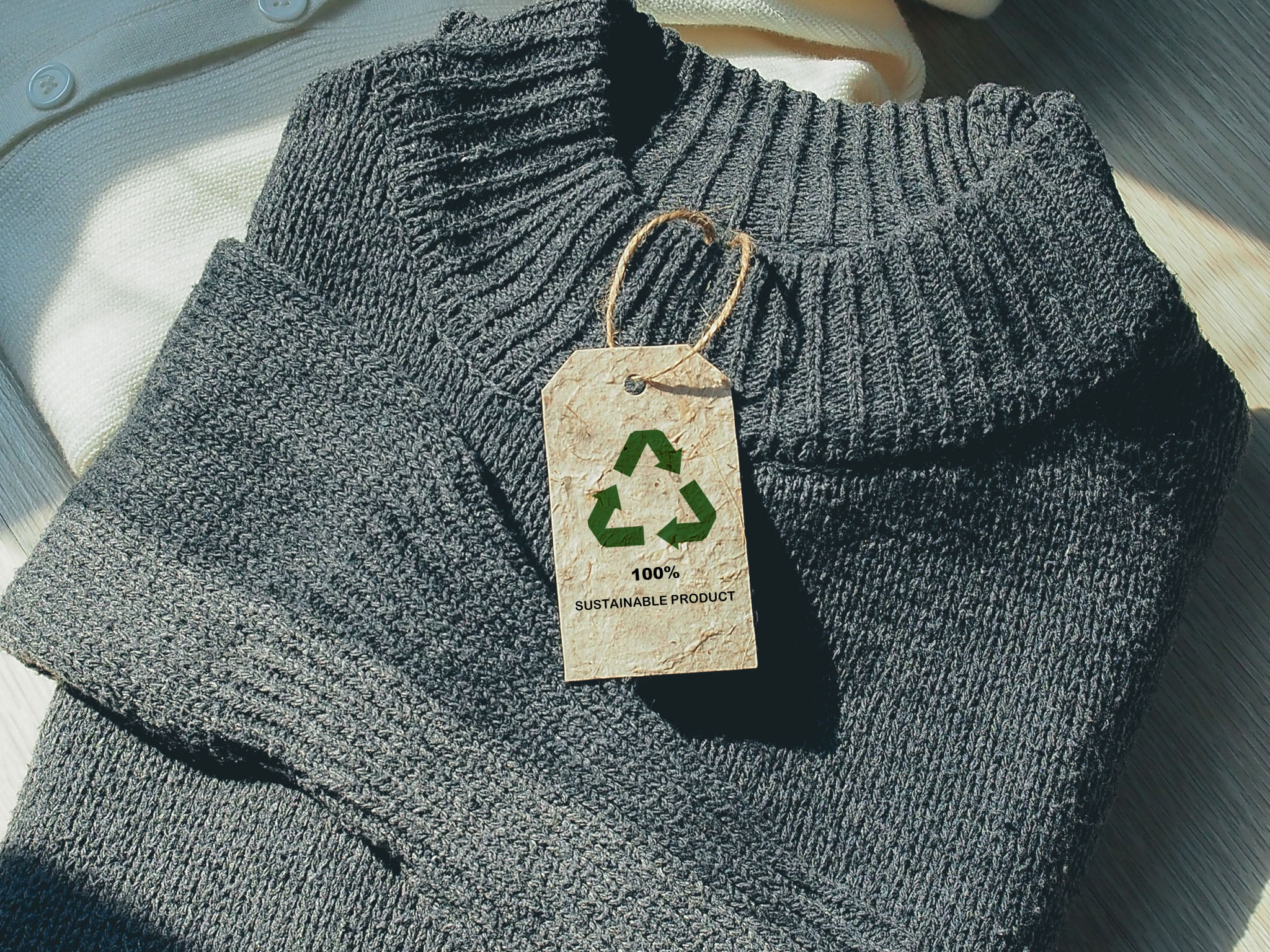
Eco Certifications Explained: What the Labels Really Mean
Walk into any sustainable fashion brand's website and you'll be confronted with a wall of logos: GOTS, OEKO-TEX, Fair Trade, B Corp, Bluesign, Cradle to Cradle, Rainforest Alliance. They all sound reassuring. But what do they actually mean — and which ones should you trust?
This guide cuts through the confusion. We've broken down the 10 most important eco certifications in fashion and textiles, explaining exactly what each one covers, who verifies it, and how much weight it carries.
Why Certifications Matter
First, a word on greenwashing. Brands can claim to be "sustainable", "eco-friendly", "conscious", or "green" without any independent verification whatsoever. These are marketing terms with no legal definition.
Certifications are different. They're issued by independent third-party organisations that audit brands against specific, measurable standards. They can be revoked if a brand fails to maintain compliance. They mean something.
That said, not all certifications are equal. Some cover the entire supply chain; others only address one aspect of production. Understanding the difference helps you make genuinely informed choices.
The Certifications Worth Knowing
1. GOTS — Global Organic Textile Standard
What it covers: The entire textile supply chain, from raw fibre to finished product. Covers organic farming standards, chemical use in processing, wastewater treatment, and social criteria including fair wages and safe working conditions.
Who issues it: International Working Group on Global Organic Textile Standard (GOTS)
What to look for: The GOTS label on a product means at least 70% of the fibres are certified organic. The "organic" label requires 95%+.
Trust level: ⭐⭐⭐⭐⭐ — One of the most rigorous and comprehensive certifications in fashion. If a brand has GOTS, it's the real deal.
2. OEKO-TEX Standard 100
What it covers: Tests finished textile products for harmful substances — pesticide residues, heavy metals, formaldehyde, and other chemicals that could be harmful to the wearer.
Who issues it: OEKO-TEX Association (independent)
Important distinction: OEKO-TEX Standard 100 only certifies that the finished product is free from harmful substances. It says nothing about how the fabric was produced, whether workers were paid fairly, or the environmental impact of manufacturing.
Trust level: ⭐⭐⭐⭐ — Excellent for product safety, but not a full sustainability certification. Look for it alongside other certifications.
3. Fair Trade Certified
What it covers: Social and economic standards — fair wages, safe working conditions, community development funds, and democratic worker organisations. Some Fair Trade standards also cover environmental practices.
Who issues it: Fairtrade International or Fair Trade USA (two separate organisations with similar but not identical standards)
Trust level: ⭐⭐⭐⭐⭐ — Highly credible for social impact. Particularly important for cotton, where supply chains often involve exploitative labour practices.
4. B Corp Certification
What it covers: The entire business — not just the product. B Corp assesses a company's impact on workers, customers, community, and the environment. It covers governance, transparency, and legal accountability.
Who issues it: B Lab (independent non-profit)
Important distinction: B Corp is a company-level certification, not a product-level one. A B Corp brand might still sell some products that aren't sustainably made — but the company as a whole is held to high standards.
Trust level: ⭐⭐⭐⭐⭐ — One of the most credible certifications for assessing a brand's overall values and practices. Brands like Patagonia, Allbirds, and Eileen Fisher are certified B Corps.
5. Bluesign
What it covers: Chemical safety and resource efficiency in textile manufacturing. Bluesign certifies that factories use chemicals responsibly, minimise water and energy use, and maintain safe working conditions.
Who issues it: Bluesign Technologies (independent)
Trust level: ⭐⭐⭐⭐ — Particularly strong for technical and performance fabrics (sportswear, outdoor gear). Look for it on brands like Patagonia, Arc'teryx, and Fjällräven.
6. Cradle to Cradle Certified
What it covers: Product design for circularity — whether a product can be safely returned to the environment (biodegradable) or to industry (recyclable) at end of life. Also covers material health, renewable energy use, water stewardship, and social fairness.
Who issues it: Cradle to Cradle Products Innovation Institute
Trust level: ⭐⭐⭐⭐ — Forward-thinking certification focused on circular economy principles. Still relatively rare in fashion but growing.
7. Rainforest Alliance
What it covers: Primarily relevant for natural fibres like cotton and viscose. Covers sustainable land management, biodiversity protection, and worker welfare on farms and in forests.
Who issues it: Rainforest Alliance (independent non-profit)
Trust level: ⭐⭐⭐ — Credible but less comprehensive than GOTS for textiles. More commonly seen on food and forestry products.
8. SA8000
What it covers: Social accountability — child labour, forced labour, health and safety, freedom of association, discrimination, working hours, and remuneration. Factory-level certification.
Who issues it: Social Accountability International (SAI)
Trust level: ⭐⭐⭐⭐ — Strong social standard, particularly relevant for brands manufacturing in countries with weaker labour protections.
9. Recycled Content Standard (RCS) / Global Recycled Standard (GRS)
What it covers: Verifies the percentage of recycled content in a product and tracks the chain of custody from recycled source to finished product.
Who issues it: Textile Exchange
Trust level: ⭐⭐⭐⭐ — Essential for brands claiming to use recycled materials. Without this certification, "made from recycled plastic bottles" is just a marketing claim.
10. EU Ecolabel
What it covers: Environmental performance across the product's lifecycle — raw material extraction, manufacturing, use, and disposal. Covers chemical restrictions, energy and water use, and durability.
Who issues it: European Commission (government-backed)
Trust level: ⭐⭐⭐⭐ — Particularly credible because it's government-backed rather than industry-funded. Growing in relevance as EU textile regulations tighten.
Red Flags: Certifications to Be Sceptical Of
Not everything that looks like a certification is one. Watch out for:
- Self-awarded badges — "Our Sustainability Promise" or "Eco Certified by [Brand Name]" with no third-party verification
- Vague claims — "sustainably sourced", "eco-friendly", "conscious collection" without any certification backing
- Outdated certifications — check when a brand's certification was last renewed; some lapse without public announcement
- Partial coverage — a brand might certify one product line while the rest of the range has no credentials
How We Use Certifications at Green Planet Partnership
Every brand and product on our Discover page has been checked against recognised certification standards. We don't list brands that rely solely on self-reported sustainability claims — independent verification is a minimum requirement.
When you browse our 12,400+ products, you can filter by certification type, so you can find exactly the standard that matters most to you — whether that's GOTS organic cotton, Fair Trade verified, or B Corp certified brands.
Understanding these labels is the first step. Using them to make better choices is the second. And tracking the impact of those choices — in real CO₂ savings and water conserved — is what our Impact Tracker is built for.
Sustainability is complicated. We're here to make it simpler.
Explore Topics
Written by
Green Planet Partnership
Content creator and writer sharing insights and stories.